Top Earthing Electrode Manufacturers in Pune - Fast Earthing
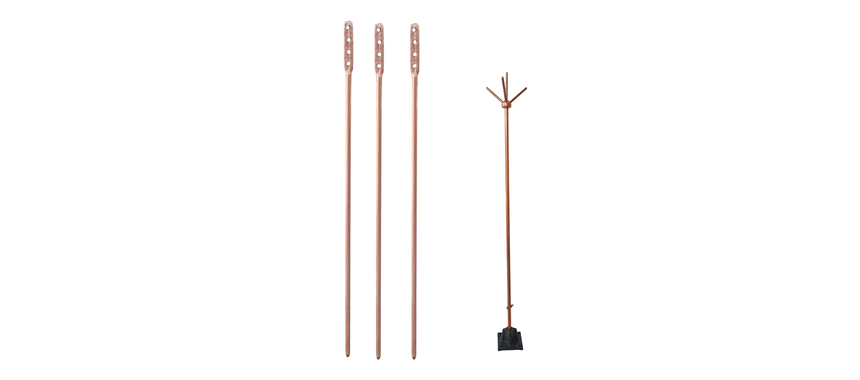


Fast Earthing is leading Earthing Electrode Manufacturers, Suppliers, Dealers, and Exporters in Pune. We provide reliable earthing solutions for residential, commercial, industrial, and infrastructure applications. We focus on delivering quality grounding products designed to ensure electrical safety, dependable performance, and long-term durability.
Our earthing electrodes are manufactured using suitable conductive materials and designs to provide an effective path for fault currents to dissipate safely into the ground. With a focus on product quality, durability, and application-specific requirements, we offer earthing solutions for residential buildings, manufacturing facilities, commercial complexes, solar power installations, and electrical substations.
About Earthing Electrodes
An earthing electrode is a conductive component installed in direct contact with the ground to create an electrical connection between an earthing system and the earth. It helps provide a controlled path for fault currents, leakage currents, and lightning-related currents when incorporated into a properly designed grounding system.
Earthing electrodes are an essential part of electrical safety installations. When correctly selected, installed, and tested, they help reduce the risk of electric shock, protect electrical equipment, and support the safe operation of electrical systems.
The performance of an earthing electrode depends on several factors, including the electrode material, dimensions, soil resistivity, moisture content, installation depth, electrode spacing, and the overall grounding design.
As an earthing electrode manufacturer and supplier serving Pune, Fast Earthing focuses on providing suitable electrode solutions for different site conditions and application requirements.
Types of Earthing Electrodes
Fast Earthing offers earthing electrode solutions for different grounding applications. The appropriate electrode type depends on soil conditions, installation space, electrical load, corrosion exposure, and project specifications.
1. Copper-Bonded Rod Earthing Electrodes
Copper-bonded earthing electrodes consist of a steel core with a bonded copper coating. They combine the mechanical strength of steel with the conductivity and corrosion resistance of copper.
These electrodes are commonly used in industrial facilities, commercial buildings, residential projects, telecommunications infrastructure, and other installations that require dependable grounding performance.
Key features:
- Copper-bonded construction for conductivity and corrosion resistance.
- Mechanical strength for installation in suitable soil conditions.
- Options for different diameters and lengths.
- Suitable for grounding systems designed for long-term service.
2. GI Earthing Electrodes
Galvanized iron (GI) earthing electrodes feature a zinc coating that helps protect the underlying steel from corrosion. GI Earthing Electrodes are used in a variety of electrical installations where galvanized components are suitable for the site environment and project requirements.
GI electrodes are available in different forms and dimensions, depending on the grounding design.
Key features:
- Galvanized construction for corrosion protection.
- Practical solution for various electrical grounding applications.
- Availability in different configurations, subject to product specifications.
- Suitable for installations designed in accordance with applicable electrical standards.
3. Plate Earthing Electrodes
Plate electrodes are conductive metal plates buried in the ground as part of an earthing arrangement. Depending on the design, they may be manufactured from copper or galvanized iron.
Their effectiveness depends on plate dimensions, burial conditions, soil resistivity, backfill material, and installation quality.
Plate electrodes may be considered for selected industrial, commercial, and infrastructure projects where the grounding design calls for this configuration.
4. Pipe Earthing Electrodes
Pipe earthing electrodes generally consist of conductive metal pipes installed vertically in the ground. GI pipes are commonly used, while other materials may be selected where specified by the project design.
Pipe electrodes are often considered for building installations and industrial applications. Their performance depends on the pipe dimensions, soil characteristics, installation depth, and surrounding ground conditions.
5. Strip and Conductor Earthing Electrodes
Strip or conductor electrodes are installed horizontally in trenches or integrated into a larger grounding network. They are useful for grounding arrangements that require an extended conductive path across a site.
These electrodes may be used in industrial plants, substations, commercial complexes, and infrastructure projects where a distributed earthing network is required.
6. Chemical Earthing Electrodes
Chemical earthing systems use an electrode in combination with a conductive backfill or earthing enhancement material to improve contact with the surrounding soil and help maintain suitable grounding conditions.
These chemical earthing electrodes may be considered for sites with dry, rocky, sandy, or high-resistivity soil, subject to proper engineering assessment. Actual performance depends on the electrode design, backfill properties, soil conditions, installation, and maintenance requirements.
7. Pipe-in-Pipe Earthing Electrodes
Pipe-in-pipe earthing electrodes use a specialized electrode arrangement that incorporates inner and outer pipe components. Depending on the product design, the space between the pipes may accommodate a specified conductive filling material.
These systems can be considered for projects requiring a particular electrode configuration or conductive backfill arrangement. Their suitability should be determined by the manufacturer's technical documentation and the project's grounding requirements.
How to Select the Right Earthing Electrode
Before purchasing an earthing electrode, consider the following factors:
- Soil resistivity: Soil conditions affect electrode performance and the overall grounding design.
- Electrode material: Copper-bonded steel and GI offer different material and corrosion characteristics.
- Dimensions: Electrode length, diameter, thickness, and configuration should match the design requirements.
- Installation conditions: Available space, soil depth, underground utilities, and site accessibility influence installation choices.
- Corrosion exposure: Soil chemistry, moisture, and environmental conditions can affect service life.
- Applicable standards: Confirm the relevant Indian or international standards for the product and installation.
- Testing and maintenance: Plan for appropriate earth resistance testing, inspection, and maintenance after installation.
A qualified electrical professional should assess site conditions and determine the grounding arrangement. A low measured earth resistance alone does not establish that an installation is safe; the complete system must also meet the applicable electrical protection and touch-voltage requirements.
Technical Specifications of Earthing Electrodes
As an earthing electrode supplier in Pune, Fast Earthing understands that selecting the correct product requires attention to material quality, dimensions, soil conditions, and electrical performance.
The following table provides an illustrative specification guide. Actual specifications should be confirmed against the selected product's datasheet and project requirements.
| Parameter | Specification or Selection Consideration |
|---|---|
| Electrode material | Copper-bonded steel, galvanized iron, or other specified conductive materials |
| Copper coating | To be confirmed from the product datasheet, including coating thickness and bonding quality |
| Rod diameter | Available options depend on the selected product |
| Pipe diameter | Selected according to the electrode design and application |
| Electrode length | Standard and customized lengths may be available, subject to product range |
| Earth resistance | Determined by soil resistivity, electrode configuration, installation, and grounding system design |
| Corrosion resistance | Depends on electrode material, coating quality, soil chemistry, and environmental exposure |
| Expected service life | Depends on material, corrosion conditions, installation quality, and maintenance |
| Installation method | Vertical, horizontal, or another approved arrangement, as required by the design |
| Electrode spacing | Determined by the grounding design and interaction between electrodes |
| Soil suitability | Assessed according to soil resistivity, moisture, chemical composition, and site conditions |
| Conductive backfill | Used where specified by the earthing system design |
| Applicable standards | Confirm the relevant requirements under IS 3043, IEC 62561, UL 467, or other applicable standards, depending on the product and application |
| Maintenance | Determined by the electrode type, environmental conditions, and inspection requirements |
| Performance requirements | Verified through appropriate grounding calculations, installation practices, and resistance testing |
Important: A specific earth resistance value cannot be guaranteed for every installation because soil conditions and grounding-system design vary from site to site. The target resistance should be established by the applicable electrical design and safety requirements.
Benefits of Using Quality Earthing Electrodes
Selecting an appropriate earthing electrode is an important step in establishing a safe and dependable electrical grounding system.
- Improved Electrical Safety: A properly designed and installed earthing system helps provide a path for fault currents and supports the operation of protective devices. This helps reduce the risk of electric shock when the complete electrical installation is correctly designed and maintained.
- Protection for Electrical Equipment: Earthing electrodes form part of the grounding arrangements used to protect motors, transformers, distribution panels, industrial machinery, computers, and other electrical equipment against electrical faults.
- Support for Fire Risk Reduction: Proper grounding, combined with suitable circuit protection and electrical installation practices, helps manage electrical fault conditions that may otherwise contribute to overheating, arcing, or fire hazards.
- Lightning Protection System Integration: Earthing electrodes can form part of a lightning protection system by providing a connection to the ground for lightning currents. The complete system must be designed to handle the relevant current levels and comply with applicable requirements.
- Electrical System Stability: A correctly engineered grounding system provides an appropriate earth reference and supports the reliable operation of electrical equipment, protection systems, and sensitive electronic installations.
- Durability and Long-Term Performance: Selecting an electrode with suitable materials, dimensions, corrosion protection, and installation provisions helps support long-term performance. Regular inspection and testing should be carried out according to the application and applicable standards.
Applications of Earthing Electrodes
Fast Earthing provides earthing electrode solutions for a range of electrical and infrastructure applications. The final selection depends on the grounding design, environmental conditions, and applicable safety requirements.
- Residential Buildings: Earthing electrodes are used in houses, apartments, residential complexes, and housing projects to support electrical safety and the operation of protective devices.
- Industrial Plants and Factories: Industrial facilities require grounding arrangements for machinery, motors, electrical panels, transformers, production equipment, and other installations exposed to demanding operating conditions.
- Commercial Buildings: Offices, shopping centres, hotels, warehouses, and commercial complexes use earthing systems to support the safe operation of electrical distribution networks and connected equipment.
- Telecommunications and Data Centres: Telecommunication towers, network installations, server rooms, and data centres require carefully designed grounding and bonding arrangements to support equipment protection and system reliability.
- Power Generation and Distribution: Power plants, electrical substations, distribution networks, and transformer installations require grounding systems designed to manage fault currents and control dangerous touch and step voltages.
- Solar Power Systems: Solar power plants and rooftop solar installations use grounding arrangements for module frames, mounting structures, inverters, and associated electrical equipment, as required by the system design.
- Railways and Metro Infrastructure: Railway stations, metro facilities, signalling systems, and associated electrical installations require application-specific grounding and bonding solutions to support personnel safety and equipment protection.
- Oil, Gas, and Petrochemical Facilities: These facilities require carefully engineered grounding and bonding systems to help manage electrical faults, lightning currents, and static electricity risks in accordance with hazardous-area requirements.
- Hospitals and Healthcare Facilities: Healthcare buildings use grounding and equipotential bonding arrangements to support electrical safety and the reliable operation of medical equipment. Special locations require compliance with applicable healthcare electrical standards.
- Electric Vehicle Charging Stations: EV charging installations require appropriate protective earthing, bonding, and electrical protection to help safeguard users, charging equipment, and connected vehicles.
- You may also want to explore: Earthing Pit Cover Manufacturers in Pune
Why Choose Fast Earthing for Earthing Electrodes in Pune?
Choosing an earthing electrode supplier involves more than comparing product prices. Material quality, dimensional accuracy, application suitability, technical support, and compliance with relevant standards all contribute to the effectiveness of the final installation.
- Application-Focused Product Selection: We focus on providing earthing electrode options suited to different grounding applications. Product selection can be based on the installation environment, soil conditions, required dimensions, and project specifications.
- Emphasis on Material Quality: The material and protective coating of an earthing electrode influence its conductivity, mechanical performance, and resistance to corrosion. These properties should be verified against the relevant product specifications.
- Solutions for Different Soil Conditions: Soil resistivity varies considerably between locations. Selecting an appropriate electrode type and installation arrangement helps address site-specific grounding requirements.
- Support for Residential, Commercial, and Industrial Projects: Earthing electrodes are used in projects ranging from individual buildings to industrial plants and large infrastructure installations. The appropriate product should be selected according to the project's electrical design and applicable standards.
- Domestic Supply and Export Requirements: Fast Earthing serves customers seeking earthing electrode solutions in Pune and supports enquiries for domestic and overseas requirements, subject to product availability, specifications, and order terms.
- Focus on Safety and Reliable Performance: We recognize the importance of dependable grounding in electrical installations. Our focus is on supplying products selected for their intended applications and supporting customers in identifying suitable earthing solutions.
Contact Fast Earthing for Earthing Electrodes in Pune
If you are searching for earthing electrode manufacturers, suppliers, dealers, and exporters in Pune, Fast Earthing can help you explore suitable grounding products for your project. Whether your requirement is for a residential building, commercial complex, industrial facility, solar power installation, telecommunications site, or infrastructure project, choosing the correct earthing electrode is an important step towards a safe and reliable electrical installation.
Contact Fast Earthing to discuss your application, required electrode material, dimensions, quantity, technical specifications, and delivery requirements. Our team can help you identify suitable product options based on your project needs. Fast Earthing Earthing Electrode Solutions for Electrical Safety and Reliable Grounding.
Frequently Asked Questions About Earthing Electrodes
Fast Earthing serves customers looking for earthing electrode solutions in Pune. Contact us to confirm product availability, manufacturing details, specifications, and supply requirements for your application.
You can contact Fast Earthing to enquire about available earthing electrode types, materials, dimensions, pricing, and delivery arrangements for your project.
Copper-bonded rods, GI electrodes, pipe electrodes, strips, and specialized chemical earthing systems may be suitable for industrial applications. The correct option depends on soil resistivity, fault-current requirements, corrosion conditions, and the overall grounding design.
Copper-bonded electrodes typically use a steel core with a bonded copper coating, while GI electrodes use galvanized steel. Their conductivity, corrosion performance, mechanical properties, and suitability depend on the product construction and installation environment.
There is no single resistance value suitable for every installation. The required value depends on the electrical system, protective devices, soil conditions, applicable standards, and project design. Resistance should be measured using an appropriate testing method.
Yes. Suitable earthing electrodes can form part of the grounding system for solar installations. The complete design must account for module frames, mounting structures, inverters, surge protection, lightning protection where applicable, and relevant electrical codes.
Maintenance requirements depend on the electrode material, soil chemistry, environmental conditions, and installation type. Periodic inspection and earth resistance testing should follow the relevant standards and the project's maintenance plan.
Fast Earthing welcomes enquiries for requirements beyond Pune, including potential domestic and international supply. Availability, export documentation, delivery schedules, and order terms should be confirmed directly.